
Over the past few decades, the world has witnessed a major shift in the high-tech field. From being just a ‘wanted aspect’, it has slowly become a necessity in our everyday lives. New-age technology has made everything more convenient and efficient, regardless of the industry involved.

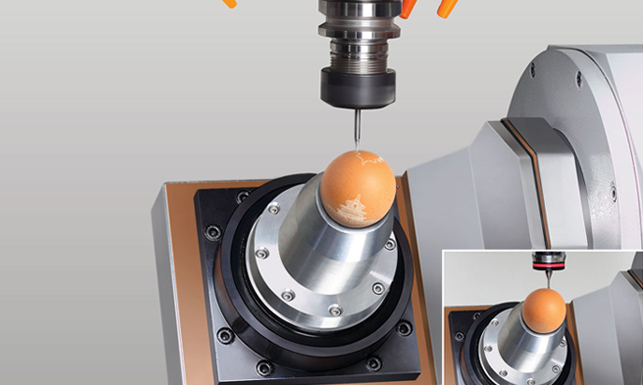
The computer-aided revolution has made a large impact on the manufacturing world as well. Automated equipment has given us the ability to produce a more precise part in a much shorter time. While CNC machines date back to the late 1950s, they continue to evolve and enhancements are made on a continuous basis. Modern CNC lathes give the operator the ability to produce a part with milled and cross-drilled surfaces. Something that was unavailable just a short time ago.

How has this impacted us:

1.  Reduced Human Efforts

CNC Machines have allowed us a more hands-off approach. Parts can be completed on one machine in one set-up with very little human intervention. Machines can now run lights out; 24 hours a day seven days a week. The equipment can be fed by robotic arms or magazines that hold multiple lengths of raw material. Human error has greatly decreased with the use of this high-tech equipment.

2.  Increased Accuracy in Mass-Production

With these machines being handled by computer controls the chances of non-conforming parts being produced has been greatly reduced. If the machines are programmed correctly from the start and tool wear is monitored, the repeatability of conforming CNC machined parts should be over 99%. Gone are the days when each part was physically manipulated in a turret lathe or manual mill in hopes of achieving repeatability.

3.  Complex Product Development

Multi-axis machines have allowed us to machine parts to greater tolerances and with more complex features. This is something that was very difficult to achieve just a short time ago.

4.  Reliability

The equipment is ready to work every day with just the push of a few buttons. It rarely gets sick and only requires some maintenance and the occasional repair part. The machines are ready to work 24 hours a day. Machines today require much less human interaction and are able to produce parts faster and with more accuracy.

5.  Highly Adaptable

CNC machines are amazingly accommodating. The machines will constantly evolve and new innovations will continue to be introduced. Today we can work with all types of metals and plastics in an efficient and accurate manner.

Types of CNC machines

Generally, there are six types of CNC machines, all used for different purposes and materials:

Milling Machines:  Widely popular. In fact, they might even be the most popular type of CNC machine used today. Milling machines utilize rotary cutters to shape workpieces to perfection. They can be programmed to provide the required depth, angle and cutting direction.

CNC Lathes:  A lathe is utilized to develop highly precise conical and spherical shaped parts. This particular machine uses turning centers wherein the cutting tool shaves off the excess material while the material is rotating on a spindle.

Drilling machines:  CNC drills are highly advanced drilling machines where the speed of the drill and the depth to be drilled is handled by highly sophisticated computer programs.

Screw Machines:  Screw machines are the advanced version of automated lathes. They are used to produce smaller yet complex machined parts for automotive, aerospace, medical and electrical hardware industries.

CNC Grinders: This type of machine utilizes a rotary wheel that abrades the material into the desired shape by repeatedly grinding it.

CNC Plasma Cutters:  Plasma cutters uses plasma beam to cut the materials into 2D shapes.

Materials used by CNC machines

A CNC machine is highly versatile, utilizing almost every type of materials to produce some quality machined parts. From common materials like aluminum, copper to exotic alloys and wood, a CNC machine can handle them all. Here’s a list of the in-demand materials that MDA Ltd. Uses:

Material Type Properties
Brass Highly durable and corrosion resistant
Aluminum Lightweight, malleable, inexpensive
Steel Economical, high strength, versatile
Industrial plastics Versatile, lightweight
Phenolics Heat resistant and durable
Copper Corrosion resistant, versatile, conductor of heat
Stainless steel Corrosion resistant
Alloy steel Tensile, wear resistant
Plywood Wear & tear resistant, dimensionally stable

CNC machining has revolutionized the whole Manufacturing industry and it is still improving. It will be quite interesting to see where it can take us in the years to come.

Want to modernize your CNC operations? Contact us for a consultation on CNC integration, automation, or upgrading your shop floor.


Frequently Asked Questions

What trends are shaping the future of CNC in modern manufacturing?

Key trends include integration of automation and robotics, AI-driven toolpath optimization and predictive analytics, multi-axis and hybrid machining systems, IoT connectivity and real-time monitoring, and sustainability initiatives.

What are the main challenges when adopting CNC automation?

Major challenges include high upfront capital costs, complexity of integration with existing systems, lack of skilled personnel, maintenance overhead, and ensuring ROI. Effective change management and phased implementation help mitigate risk.

How does IoT / connectivity benefit CNC machining operations?

IoT enables real-time data collection from sensors for machine health, tool wear monitoring, process optimization, and predictive maintenance. This leads to reduced downtime, improved quality, and data-driven decision making.

Are hybrid CNC machines (additive + subtractive) becoming common?

Yes – hybrid machines that combine additive (3D printing) with subtractive (milling, turning) processes are gaining traction. They allow complex geometries, reduced material waste, and a more flexible manufacturing workflow.

How can manufacturers gradually modernize their CNC operations?

A phased approach works well: start with pilot automation or robotic load/unload, add connectivity and sensors for data feedback, upgrade to multi-axis or hybrid capabilities, and train staff. Monitoring ROI at each stage helps validate further investments.
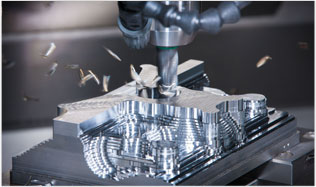
CNC (Computer Numerical Control) machining is a game-changer in manufacturing, enabling the creation of precise, complex parts for industries like aerospace, automotive, and medical devices. However, the key to a successful CNC machining project goes beyond having advanced equipment and skilled operators—it starts with meticulous planning and strategy.

Think of embarking on a road trip without a map. While you might eventually reach your destination, you’d face unnecessary detours, wasted time, and frustration. Similarly, diving into a CNC machining project without proper planning can lead to costly errors, delays, and subpar results. Proper planning is your roadmap, guiding every step from understanding project requirements to material selection, part design, and quality management.

In this blog, we’ll explore why thorough planning and strategic thinking are essential for the success of your CNC machining projects. From defining objectives to managing risks, we’ll show how to ensure your journey from concept to finished product is smooth and efficient. Let’s lay the groundwork for success by highlighting the importance of planning and strategy in CNC machining.

#1 Defining Project Scope & Objectives

Understanding project requirements is crucial for the success of a CNC machining project. This involves clearly defining the project scope and setting measurable, achievable goals. A well-defined scope prevents scope creep and ensures all stakeholders are aligned on deliverables, resources, and timelines.

For example, a precise scope might state, “Produce 500 aluminum brackets with a tolerance of ±0.01 mm, using 6061 aluminum alloy, by July 31, 2024, adhering to ISO 9001 standards,” whereas a vague scope like “Make some aluminum parts quickly” can lead to confusion.

Setting SMART goals – Specific, Measurable, Achievable, Relevant, and Time-bound – is also essential. Goals should align with client or business needs, such as reducing production time or improving quality. For instance, aiming to “increase machining accuracy by 10% within six months by implementing new calibration techniques” is a clear and actionable objective. By defining the scope and setting aligned, measurable goals, you create a solid foundation for your project’s success.

#2 Choosing the Right Material for Performance & Cost

Material selection is crucial in CNC machining projects as it impacts the quality, cost, and feasibility of the final product. Common materials include metals (aluminum, steel, brass), plastics (ABS, polycarbonate, nylon), and composites (carbon fiber-reinforced polymers). Each material’s properties, such as hardness, tensile strength, and machinability, must be evaluated to ensure suitability for the project’s requirements.

Additionally, the cost and availability of materials play a significant role. Choosing cost-effective, readily available materials helps maintain the project budget and timeline. The right material choice ensures efficient machining, minimizes tool wear, and avoids delays, ultimately contributing to the project’s success.

#3 Design for Manufacturability (DFM) Considerations

Effective design is crucial for successful CNC machining projects, influencing efficiency, quality, and cost. Creating detailed CAD models using tools like AutoCAD, SolidWorks, and Fusion 360 is essential, as these models provide precise specifications that guide the machining process, reducing errors and rework.

Adhering to Design for Manufacturability (DFM) principles further enhances efficiency by simplifying geometries, minimizing machining operations, and selecting easily machinable features. These design choices directly impact machining time, quality, and cost, with simplified designs reducing time and tool wear, and precise tolerances ensuring high-quality results without excessive rework.

#4 Selecting Tools, Machines & Setup Strategy

Choosing the right tools and equipment is crucial for CNC machining projects to ensure efficiency and quality. When selecting CNC machines, factors such as capabilities (like cutting and milling), size compatibility with workpieces, and precision in achieving required tolerances must be considered. Common types include milling machines for shaping materials and turning machines for rotational operations.

Equally important is selecting the correct cutting tools, which significantly impact material removal rates, surface finishes, and dimensional accuracy. Proper tool materials, geometry, and maintenance are key to optimizing performance and extending tool life. Regular maintenance routines, including cleaning, sharpening, and timely replacement of worn tools, are essential for minimizing downtime and maintaining consistent machining quality throughout the project.

#5 Planning the Machining Sequence & Workflow

Developing a thorough process plan is crucial for CNC machining projects to ensure efficiency and precision throughout the manufacturing process. Detailed planning clarifies the sequence of operations, tool requirements, and quality checks from initial setup to final finishing. Key steps include material preparation, CAD modeling, toolpath generation, and setup involving fixture design and tool selection.

Machining progresses through roughing, semi-finishing, and finishing stages to achieve precise dimensions and surface quality. Concurrently, establishing efficient workflows minimizes downtime and optimizes production flow, supported by realistic project schedules that account for complexities, resource availability, and deadlines. By adhering to a structured process plan and coordinated workflows, CNC machining projects can effectively meet quality standards and delivery timelines.

#6 Quality Assurance & Process Controls

Quality control is pivotal in CNC machining to maintain precision and adhere to standards throughout production. Implementing rigorous quality control measures ensures that parts meet specifications and customer requirements, minimizing deviations and enhancing reliability. Techniques such as CNC machines and tool calibration uphold precision, while advanced metrology tools like coordinate measuring machines (CMMs) verify dimensional accuracy and surface finish.

Inspection involves dimensional checks against CAD specifications and assessments of surface texture for smoothness and functionality. Regular testing throughout production detects deviations early, facilitating adjustments to maintain consistency and high-quality standards. This comprehensive approach to quality control and assurance ensures that CNC machining projects deliver precise components that meet exacting specifications and customer satisfaction.

#7 Team Communication & Resource Coordination

Effective team coordination and communication are essential for the success of CNC machining projects. Clear role assignment ensures accountability and efficiency by defining each team member’s responsibilities clearly, thereby minimizing overlaps and maximizing collaboration. Leadership roles, such as project managers or lead machinists, play a crucial role in coordinating tasks and resolving issues promptly to keep the project on track.

Tools like ERP systems and cloud-based collaboration platforms facilitate real-time communication and information sharing, centralizing project data and schedules for streamlined workflow. Regular team meetings with structured agendas ensure alignment on project progress, challenges, and adjustments, promoting agility and responsiveness to project needs. This systematic approach to team coordination and communication enhances productivity, minimizes errors, and contributes to the successful delivery of CNC machining projects.

Frequently Asked Questions


Why is planning important before starting a machining project?

Proper planning helps you define the project scope, avoid costly errors, optimize tooling and material selection, manage timelines, and ensure quality output. Without planning, you risk delays, scrap, cost overruns, and misalignment among stakeholders.


How do I define the scope and objectives for a machining job?

Start by specifying what needs to be produced (part geometry, tolerances, material), quantity, desired lead time, cost constraints, and performance goals. Use SMART objectives (Specific, Measurable, Achievable, Relevant, Time-bound) to align stakeholders and avoid scope creep.


What factors should guide material and tooling choices?

Consider machinability, mechanical properties (strength, hardness, thermal behavior), cost, availability, and tool wear. Tool geometry, coatings, and suitable machine compatibility are also critical in selecting the right tooling.


How do I manage risk during machining project execution?

Identify potential risks (material delays, tool failure, fixture issues, design changes) early and build mitigation plans (spare tools, buffer time, backup suppliers). Monitor progress regularly, communicate issues early, and adapt the plan proactively.


Can good planning reduce production lead time and cost?

Yes – by clearly mapping out the sequence of operations, selecting efficient toolpaths, avoiding rework, choosing appropriate materials, and coordinating resources, you reduce wasted time, minimize downtime, and optimize machine utilization, ultimately lowering costs and lead time.


Conclusion

In conclusion, careful planning and strategic preparation are fundamental to the success of any CNC machining project. By defining clear project scopes, setting achievable goals, and selecting suitable materials and equipment, teams can streamline operations and minimize costly delays. Detailed CAD modeling and design for manufacturability principles ensure efficient production processes and superior product quality.

Moreover, rigorous quality control measures and effective team coordination through clear role assignments and robust communication channels are pivotal in maintaining precision and meeting project timelines. Embracing these practices not only enhances project outcomes but also fosters a collaborative environment where innovation and efficiency thrive, ultimately leading to the delivery of exceptional results that meet or exceed client expectations.

Ready to plan a precision machining job? Contact our experts for help in designing your strategy or getting a quote.