
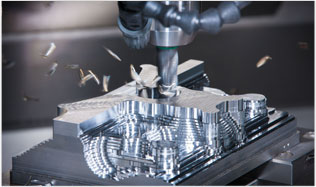
CNC (Computer Numerical Control) machining is a game-changer in manufacturing, enabling the creation of precise, complex parts for industries like aerospace, automotive, and medical devices. However, the key to a successful CNC machining project goes beyond having advanced equipment and skilled operators—it starts with meticulous planning and strategy.
Think of embarking on a road trip without a map. While you might eventually reach your destination, you’d face unnecessary detours, wasted time, and frustration. Similarly, diving into a CNC machining project without proper planning can lead to costly errors, delays, and subpar results. Proper planning is your roadmap, guiding every step from understanding project requirements to material selection, part design, and quality management.
In this blog, we’ll explore why thorough planning and strategic thinking are essential for the success of your CNC machining projects. From defining objectives to managing risks, we’ll show how to ensure your journey from concept to finished product is smooth and efficient. Let’s lay the groundwork for success by highlighting the importance of planning and strategy in CNC machining.
#1 Defining Project Scope & Objectives
Understanding project requirements is crucial for the success of a CNC machining project. This involves clearly defining the project scope and setting measurable, achievable goals. A well-defined scope prevents scope creep and ensures all stakeholders are aligned on deliverables, resources, and timelines.
For example, a precise scope might state, “Produce 500 aluminum brackets with a tolerance of ±0.01 mm, using 6061 aluminum alloy, by July 31, 2024, adhering to ISO 9001 standards,” whereas a vague scope like “Make some aluminum parts quickly” can lead to confusion.
Setting SMART goals – Specific, Measurable, Achievable, Relevant, and Time-bound – is also essential. Goals should align with client or business needs, such as reducing production time or improving quality. For instance, aiming to “increase machining accuracy by 10% within six months by implementing new calibration techniques” is a clear and actionable objective. By defining the scope and setting aligned, measurable goals, you create a solid foundation for your project’s success.
#2 Choosing the Right Material for Performance & Cost
Material selection is crucial in CNC machining projects as it impacts the quality, cost, and feasibility of the final product. Common materials include metals (aluminum, steel, brass), plastics (ABS, polycarbonate, nylon), and composites (carbon fiber-reinforced polymers). Each material’s properties, such as hardness, tensile strength, and machinability, must be evaluated to ensure suitability for the project’s requirements.
Additionally, the cost and availability of materials play a significant role. Choosing cost-effective, readily available materials helps maintain the project budget and timeline. The right material choice ensures efficient machining, minimizes tool wear, and avoids delays, ultimately contributing to the project’s success.
#3 Design for Manufacturability (DFM) Considerations
Effective design is crucial for successful CNC machining projects, influencing efficiency, quality, and cost. Creating detailed CAD models using tools like AutoCAD, SolidWorks, and Fusion 360 is essential, as these models provide precise specifications that guide the machining process, reducing errors and rework.
Adhering to Design for Manufacturability (DFM) principles further enhances efficiency by simplifying geometries, minimizing machining operations, and selecting easily machinable features. These design choices directly impact machining time, quality, and cost, with simplified designs reducing time and tool wear, and precise tolerances ensuring high-quality results without excessive rework.
#4 Selecting Tools, Machines & Setup Strategy
Choosing the right tools and equipment is crucial for CNC machining projects to ensure efficiency and quality. When selecting CNC machines, factors such as capabilities (like cutting and milling), size compatibility with workpieces, and precision in achieving required tolerances must be considered. Common types include milling machines for shaping materials and turning machines for rotational operations.
Equally important is selecting the correct cutting tools, which significantly impact material removal rates, surface finishes, and dimensional accuracy. Proper tool materials, geometry, and maintenance are key to optimizing performance and extending tool life. Regular maintenance routines, including cleaning, sharpening, and timely replacement of worn tools, are essential for minimizing downtime and maintaining consistent machining quality throughout the project.
#5 Planning the Machining Sequence & Workflow
Developing a thorough process plan is crucial for CNC machining projects to ensure efficiency and precision throughout the manufacturing process. Detailed planning clarifies the sequence of operations, tool requirements, and quality checks from initial setup to final finishing. Key steps include material preparation, CAD modeling, toolpath generation, and setup involving fixture design and tool selection.
Machining progresses through roughing, semi-finishing, and finishing stages to achieve precise dimensions and surface quality. Concurrently, establishing efficient workflows minimizes downtime and optimizes production flow, supported by realistic project schedules that account for complexities, resource availability, and deadlines. By adhering to a structured process plan and coordinated workflows, CNC machining projects can effectively meet quality standards and delivery timelines.
#6 Quality Assurance & Process Controls
Quality control is pivotal in CNC machining to maintain precision and adhere to standards throughout production. Implementing rigorous quality control measures ensures that parts meet specifications and customer requirements, minimizing deviations and enhancing reliability. Techniques such as CNC machines and tool calibration uphold precision, while advanced metrology tools like coordinate measuring machines (CMMs) verify dimensional accuracy and surface finish.
Inspection involves dimensional checks against CAD specifications and assessments of surface texture for smoothness and functionality. Regular testing throughout production detects deviations early, facilitating adjustments to maintain consistency and high-quality standards. This comprehensive approach to quality control and assurance ensures that CNC machining projects deliver precise components that meet exacting specifications and customer satisfaction.
#7 Team Communication & Resource Coordination
Effective team coordination and communication are essential for the success of CNC machining projects. Clear role assignment ensures accountability and efficiency by defining each team member’s responsibilities clearly, thereby minimizing overlaps and maximizing collaboration. Leadership roles, such as project managers or lead machinists, play a crucial role in coordinating tasks and resolving issues promptly to keep the project on track.
Tools like ERP systems and cloud-based collaboration platforms facilitate real-time communication and information sharing, centralizing project data and schedules for streamlined workflow. Regular team meetings with structured agendas ensure alignment on project progress, challenges, and adjustments, promoting agility and responsiveness to project needs. This systematic approach to team coordination and communication enhances productivity, minimizes errors, and contributes to the successful delivery of CNC machining projects.
Frequently Asked Questions
Why is planning important before starting a machining project?
Proper planning helps you define the project scope, avoid costly errors, optimize tooling and material selection, manage timelines, and ensure quality output. Without planning, you risk delays, scrap, cost overruns, and misalignment among stakeholders.
How do I define the scope and objectives for a machining job?
Start by specifying what needs to be produced (part geometry, tolerances, material), quantity, desired lead time, cost constraints, and performance goals. Use SMART objectives (Specific, Measurable, Achievable, Relevant, Time-bound) to align stakeholders and avoid scope creep.
What factors should guide material and tooling choices?
Consider machinability, mechanical properties (strength, hardness, thermal behavior), cost, availability, and tool wear. Tool geometry, coatings, and suitable machine compatibility are also critical in selecting the right tooling.
How do I manage risk during machining project execution?
Identify potential risks (material delays, tool failure, fixture issues, design changes) early and build mitigation plans (spare tools, buffer time, backup suppliers). Monitor progress regularly, communicate issues early, and adapt the plan proactively.
Can good planning reduce production lead time and cost?
Yes – by clearly mapping out the sequence of operations, selecting efficient toolpaths, avoiding rework, choosing appropriate materials, and coordinating resources, you reduce wasted time, minimize downtime, and optimize machine utilization, ultimately lowering costs and lead time.
Conclusion
In conclusion, careful planning and strategic preparation are fundamental to the success of any CNC machining project. By defining clear project scopes, setting achievable goals, and selecting suitable materials and equipment, teams can streamline operations and minimize costly delays. Detailed CAD modeling and design for manufacturability principles ensure efficient production processes and superior product quality.
Moreover, rigorous quality control measures and effective team coordination through clear role assignments and robust communication channels are pivotal in maintaining precision and meeting project timelines. Embracing these practices not only enhances project outcomes but also fosters a collaborative environment where innovation and efficiency thrive, ultimately leading to the delivery of exceptional results that meet or exceed client expectations.
Ready to plan a precision machining job? Contact our experts for help in designing your strategy or getting a quote.
