
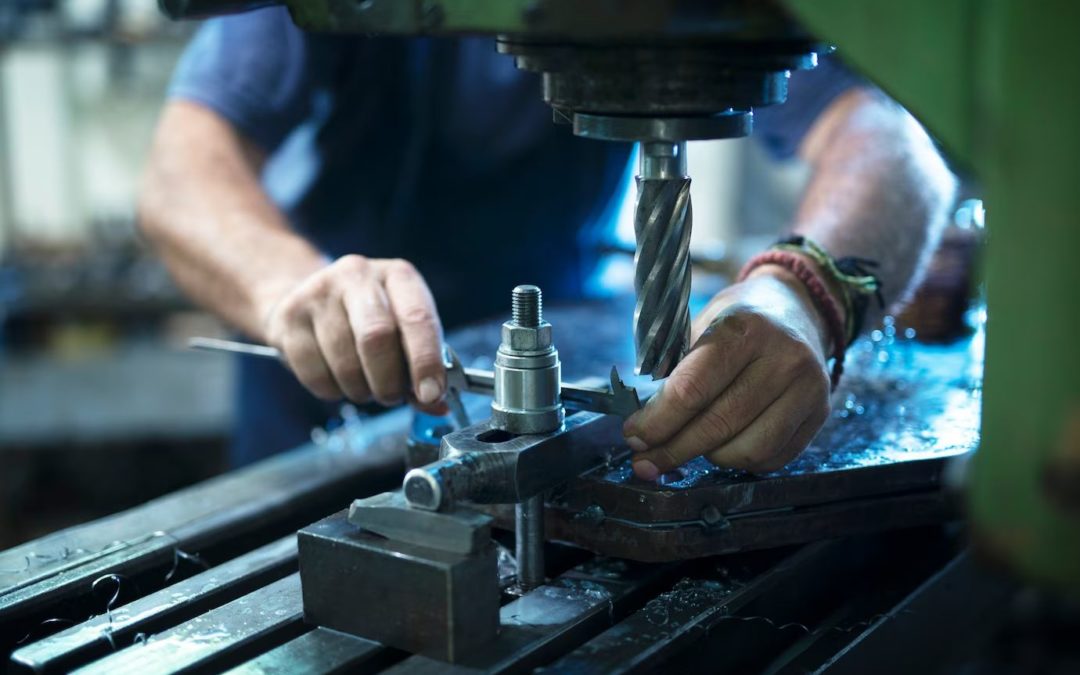
In the world of manufacturing, precision is not just a luxury – it’s a necessity. CNC (Computer Numerical Control) machining has revolutionized the way industries produce components, offering exceptional accuracy, repeatability, and efficiency. In critical industries like aerospace, defense, and medical manufacturing, the importance of quality and precision cannot be overstated. Let’s dive into why precision in CNC machining is vital for these high-stakes sectors.
The Role of CNC Machining in Modern Manufacturing
CNC machining is a process that involves the use of computers to control machine tools. It allows manufacturers to produce intricate parts with high accuracy and repeatability. Whether it’s turning, milling, or drilling, CNC machining is known for its ability to execute complex designs while maintaining tight tolerances. This precision ensures that each part performs as intended and meets rigorous industry standards.
Why Precision is Crucial in Aerospace
Aerospace is one of the most demanding industries when it comes to precision. Aircraft and spacecraft components must be manufactured with the utmost accuracy to ensure safety and performance. Even a tiny deviation in measurements can lead to catastrophic failures.
- Safety and Performance: Aerospace components, such as turbine blades, landing gear, and engine parts, must meet stringent tolerances. A small defect can compromise the safety and functionality of an aircraft. CNC machining allows for the creation of highly detailed parts that meet the exact specifications required for performance.
- Material Integrity: Aerospace materials, including lightweight alloys and composites, must be machined with precision to maintain their strength and integrity. CNC machines can handle these materials delicately while preserving their properties.
- Certification Compliance: The aerospace industry is heavily regulated, and parts must adhere to exacting standards. With CNC machining, manufacturers can produce parts that pass rigorous inspections and meet certification requirements.
Precision in the Defense Industry: A Matter of National Security
The defense sector relies on the highest levels of precision to ensure the effectiveness of military equipment, from firearms to fighter jets and satellites. The margin for error in defense manufacturing is minimal, as even small flaws can lead to equipment malfunctions or failure during critical operations.
- Reliability Under Extreme Conditions: Military equipment is built to withstand extreme environments, such as high temperatures, pressure, and combat situations. CNC machining allows manufacturers to produce parts with the precise characteristics necessary to ensure reliability under these demanding conditions.
- Complex Components: Defense applications often require highly complex parts with detailed geometries. CNC machines, especially those with multi-axis capabilities, allow for the creation of intricate designs without sacrificing accuracy.
- Cost-Effective and Timely Production: In defense manufacturing, speed and cost efficiency are critical, but they should never come at the expense of quality. CNC machining optimizes production time, ensuring that components are delivered on schedule without compromising the precise tolerances required.
CNC Machining in the Medical Industry: Saving Lives with Precision
When it comes to medical devices, precision is literally a matter of life and death. Medical devices, implants, and surgical tools must be manufactured to exact specifications to ensure patient safety and efficacy. CNC machining is at the heart of producing these critical devices with unparalleled accuracy.
- Implants and Prosthetics: For implants such as joint replacements and dental implants, a perfect fit is crucial. CNC machines enable the production of custom, patient-specific implants with incredible precision, ensuring better outcomes and reducing the risk of complications.
- Surgical Instruments: Surgical instruments, like scalpels and forceps, need to be sharp, durable, and ergonomically designed for precision use. CNC machining helps create instruments with sharp edges and consistent performance that are essential for delicate medical procedures.
- Regulatory Standards: The medical industry is governed by strict regulatory requirements, such as the FDA’s Good Manufacturing Practice (GMP). CNC machining ensures that parts are consistently manufactured to meet these standards, which is essential for product approval and patient safety.
The Competitive Edge: Why Quality Matters in CNC Machining
In today’s competitive market, manufacturers who deliver high-precision components have a significant edge. CNC machining not only helps industries produce reliable and functional parts but also builds a reputation for quality and excellence. Companies that prioritize precision in their CNC machining processes are more likely to secure long-term contracts and partnerships with major players in aerospace, defense, and medical sectors.
Furthermore, CNC machining offers unmatched consistency. Once a design is programmed into the CNC system, it can be replicated with the same precision every time, ensuring that all parts meet the exact specifications, which is crucial in industries where reliability is non-negotiable.
Conclusion
Precision in CNC machining is not just about meeting a specification – it’s about ensuring that the final product performs flawlessly in the most critical situations. Whether in the skies, on the battlefield, or in the operating room, the ability to produce high-quality, precise components is vital. As industries continue to evolve, the role of CNC machining in achieving these standards will remain indispensable, driving innovation and ensuring safety across aerospace, defense, and medical fields.
By choosing a reliable CNC machining provider committed to precision, industries can continue to push the boundaries of technology and create solutions that save lives, enhance security, and ensure performance in the most demanding environments.
Frequently Asked Questions About Precision and Quality in CNC Machining
Why is precision important in CNC machining?
Precision is important because CNC machined components often need to meet specific dimensional and performance requirements. Accurate machining helps ensure that parts fit correctly, function as intended, and maintain consistent performance.
This is particularly important for critical applications in industries such as aerospace, defense, and medical manufacturing, where dimensional accuracy and reliability can be essential.
What is the difference between CNC machining accuracy and repeatability?
Accuracy refers to how closely a machined component matches its intended or specified dimensions, while repeatability refers to the ability to produce the same result consistently across multiple machining cycles or parts.
Both are important in CNC manufacturing because production components need to meet their specified requirements consistently from part to part.
How do tight tolerances affect CNC machined parts?
Tight tolerances define smaller allowable variations in a component’s dimensions and can be necessary when precise fit, alignment, movement, or performance is required.
However, tighter tolerances can also require more controlled machining processes, additional inspection, specialized tooling, or additional manufacturing time. Tolerances should therefore be specified according to the functional requirements of the component.
How does CNC machining maintain consistent quality between parts?
CNC machining uses programmed toolpaths and controlled machining parameters to produce components according to defined specifications. Once a process has been established, the same programmed operations can be repeated across production runs.
Consistency also depends on factors such as machine condition, tooling, workholding, material, process control, and inspection.
Why is precision CNC machining important for aerospace and defense components?
Aerospace and defense components can operate under demanding conditions and may have strict dimensional, performance, and reliability requirements.
Precision CNC machining allows manufacturers to produce complex components according to specified dimensions and tolerances. Consistent machining and appropriate inspection are important for components where dimensional deviations could affect fit, function, or reliability.
Why is precision important when manufacturing medical CNC components?
Medical components such as implants, prosthetics, and surgical instruments can require highly controlled dimensions and surface characteristics to perform as intended.
Precision CNC machining can support the production of components according to detailed engineering specifications, while appropriate inspection and quality processes help verify that manufactured parts meet their required specifications.
How is the quality of a CNC machined part verified?
CNC machined part quality can be verified through dimensional inspection, measurement, surface-finish evaluation, and other inspection methods appropriate to the component and its specifications.
The inspection process should be based on factors such as required tolerances, material, geometry, application, and customer requirements.
How does choosing a quality-focused CNC machining partner benefit manufacturers?
A quality-focused CNC machining partner can help manufacturers maintain consistent production, meet specified tolerances, identify potential manufacturing issues, and implement appropriate inspection and quality-control processes.
When selecting a supplier, consider its machining capabilities, quality management system, inspection processes, equipment, industry experience, and ability to consistently meet project requirements.